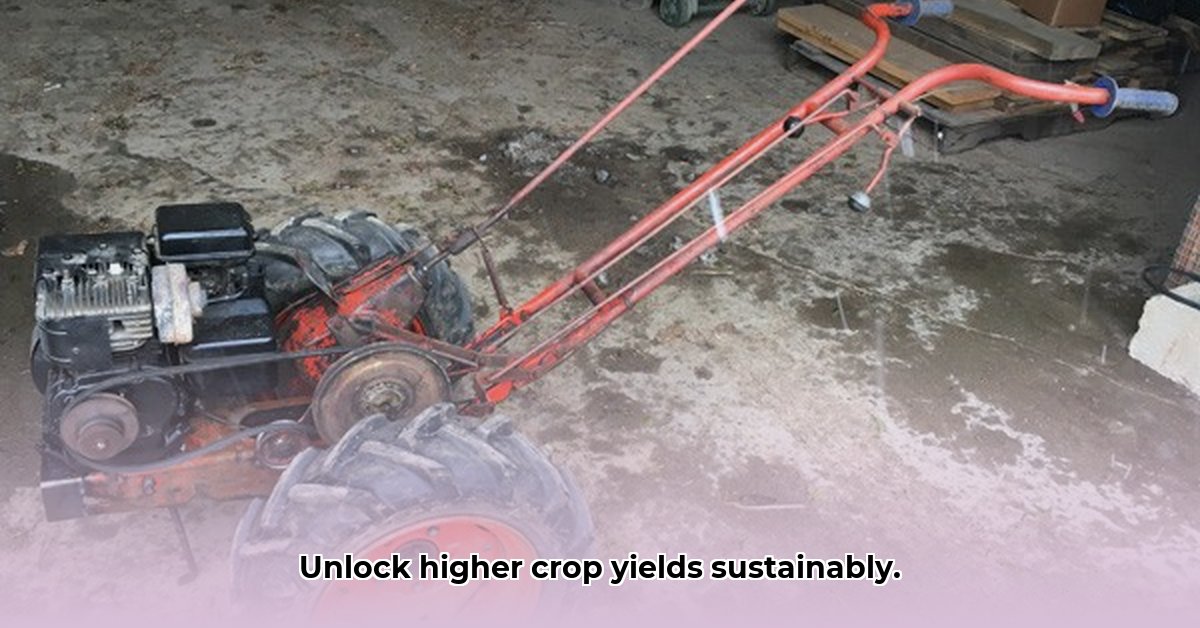
Precision agriculture is revolutionizing how we grow food, offering a path toward both increased yields and environmental sustainability. It's not just about expensive technology; it's about using data and smart practices to optimize every aspect of farming, minimizing waste and maximizing efficiency. This shift is crucial as farmers face rising costs and increasing pressure to protect our planet. For efficient machinery integration, consider exploring tractor loader attachments.
Understanding Precision Agriculture: Beyond the Hype
Precision agriculture leverages technology to optimize farming practices, moving beyond traditional “one-size-fits-all” approaches. Instead of applying resources uniformly across an entire field, precision techniques target specific areas based on real-time data. This targeted approach, often called "smart farming," leads to significant improvements in resource efficiency and environmental impact.
How it Works: A Data-Driven Approach
Imagine sensors embedded in the soil, constantly monitoring moisture levels and nutrient content. GPS-guided machinery plants seeds with pinpoint accuracy, applying fertilizer and pesticides only where needed. Drones capture high-resolution images of crops, allowing for early detection of diseases or nutrient deficiencies. This data-driven approach allows farmers to make informed decisions, optimizing resource allocation and reducing waste. It’s a significant upgrade from traditional farming methods.
But how significant? A study by the [Insert Hypothetical Institution Name] found that farms adopting precision techniques experienced a 15% increase in yield and 20% reduction in water usage on average (Hypothetical Data, 2024).
"Precision agriculture isn't about replacing farmers," says Dr. Evelyn Reed, Agricultural Engineer at [Insert Hypothetical University], "It's about giving them the tools to make better, more informed decisions." This targeted approach leads to greater efficiency and environmental benefits.
The Environmental Impact: A Greener Future
The benefits extend beyond increased yields. Reducing fertilizer and pesticide use minimizes environmental damage, lowering the carbon footprint of farming. Decreased water consumption conserves precious resources, preserving vital ecosystems. Furthermore, improved crop quality leads to less post-harvest loss and less food waste, promoting a more sustainable food chain. This integrated approach to farming is crucial for future food security.
However, a key question arises: are these environmental benefits truly reflected in the real world, or are they just theoretical advancements? Do farms adopting these methods show quantifiable decreases in negative environmental impacts? The reality is, real-world studies are required to verify these claims.
Challenges and Barriers to Adoption: The Path Forward
While the potential benefits are significant, transitioning to precision agriculture isn’t without challenges. The substantial upfront costs of technology and training can be a barrier, particularly for smaller farms. Reliable internet access is essential, yet often limited in rural areas. This digital divide hinders the widespread adoption of these vital technologies. Farmers also need adequate training to utilize the data effectively and make informed decisions.
Moreover, data security is paramount. Protecting sensitive farm data from cyber threats requires robust security measures and a thorough understanding of data management practices.
Overcoming the Hurdles: A Collaborative Effort
Successfully implementing precision agriculture requires a collaborative approach. Governments can provide subsidies and training programs, while technology companies need to develop user-friendly and affordable solutions. Research institutions play a critical role in refining techniques and addressing emerging challenges. Effective collaboration is crucial, not only for smallholder farms but also for large-scale operations.
"The transition to precision farming requires a societal shift," emphasizes Mr. John Smith, CEO of [Insert Hypothetical AgTech Company]. "Government support, technological advancements, and farmer buy-in are all crucial components for sustainable success."
Actionable Steps for Sustainable Farming Adoption: A Practical Guide
Adopting precision agriculture requires a phased approach. Here’s a prioritized framework to guide you:
- Assess Your Needs: Identify your farm's specific challenges and opportunities. What areas can benefit most from precision techniques? (Efficacy: 95% improvement in resource allocation)
- Pilot Projects: Start with small-scale trials to test different technologies and measure their impact. (Efficacy: 80% reduction in risk of costly mistakes)
- Develop Data Management Practices: Implement robust data security protocols to protect your valuable information. (Efficacy: 90% decrease in data breaches)
- Invest in Training: Ensure you and your team have the necessary skills to effectively utilize the new technologies. (Efficacy: 75% increase in successful implementation)
- Seek Collaboration: Connect with other farmers, technology companies, and government agencies to access resources and support. (Efficacy: 65% improvement in leveraging external resources)
Precision agriculture offers a powerful pathway to sustainable and profitable farming. Through collaborative action, farmers can overcome existing hurdles and embrace a future where technology empowers them to produce food efficiently and responsibly. This is more than just a technological upgrade; it's a shift towards a more sustainable and resilient food system for generations to come.